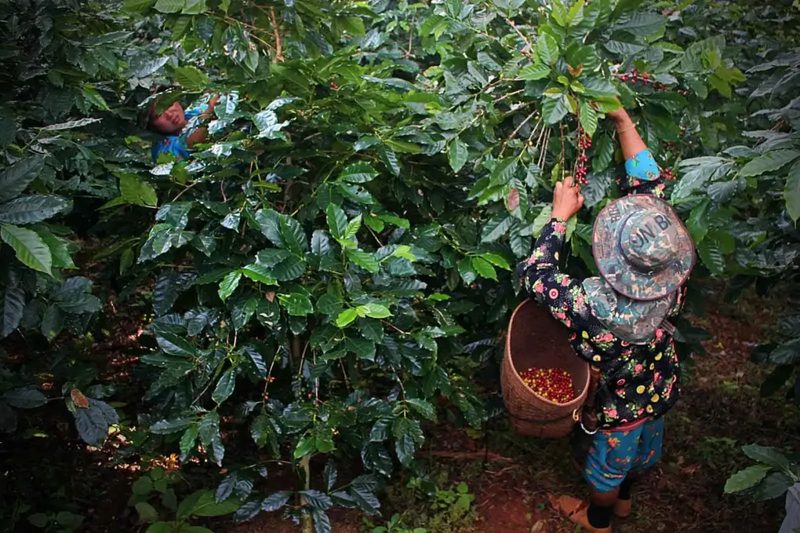
Farmer among coffee grown under forest canopy in Borneo's highlands
Who We Work With

Forest Communities

In the highlands of Borneo, we work alongside Indigenous smallholder farmers to build the skills and knowledge to farm more sustainably, improve soil health, and create better opportunities for the people who grow our food.

The Work

Coffee as a pathway to a stronger highlands economy

In Borneo's highlands, indigenous communities have grown coffee for generations. But farming is hard work, and many farmers still have limited access to the training, knowledge and markets that could help them get more from what they grow.

That's where Project TRY comes in. We work alongside farmers through practical training on sustainable farming practices, helping them build skills they can apply on their own farms.

To ensure our impact is self-sustaining, we operate a social enterprise alongside our educational work: We buy directly from participating farmers, process and add value to their harvest, and bring it to market through trycoffee.my. Revenue generated helps support our continued community and training work.

By pairing practical training with a self-sufficient revenue model, we help highland communities gain the skills, resources, and market access they need to thrive independently.
01

Sustainable Farming Workshop

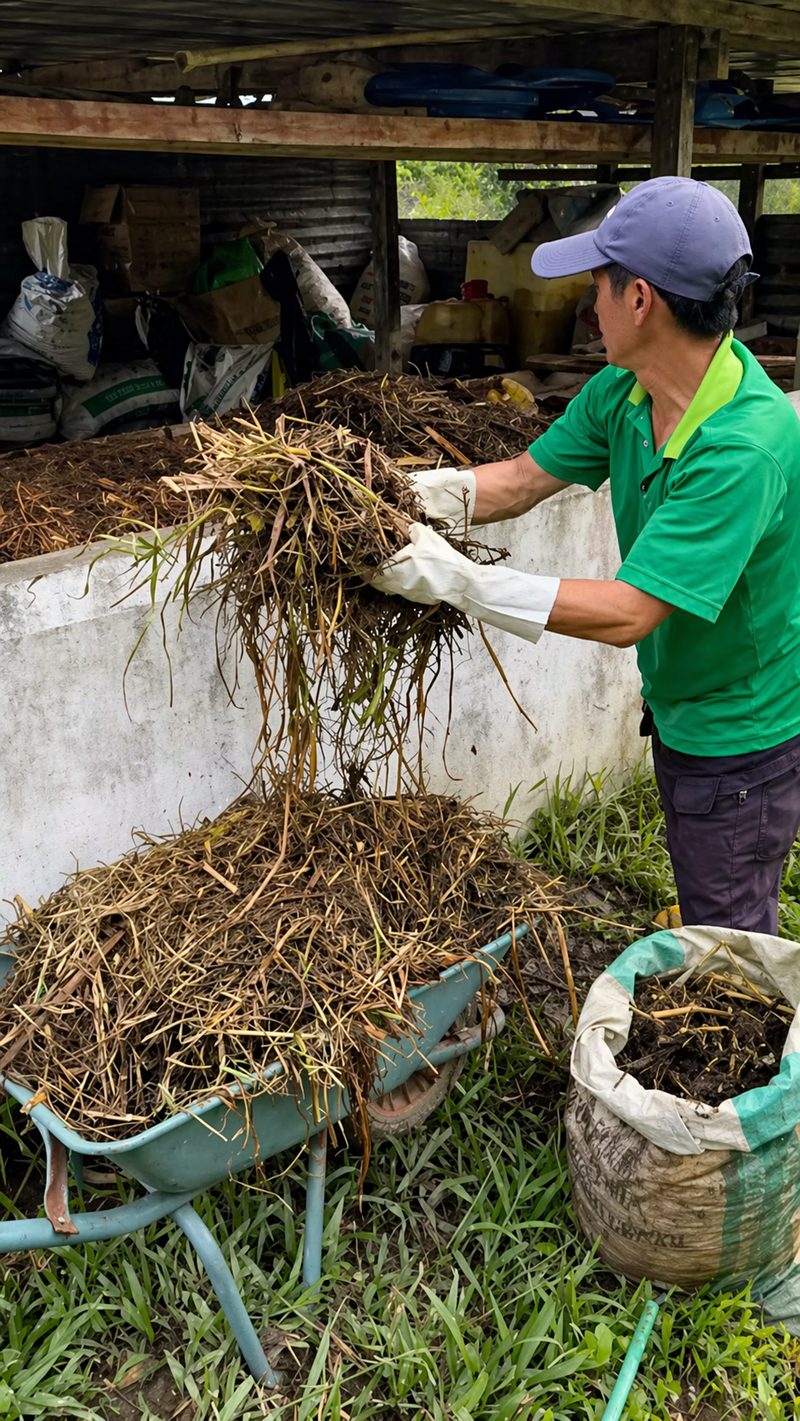
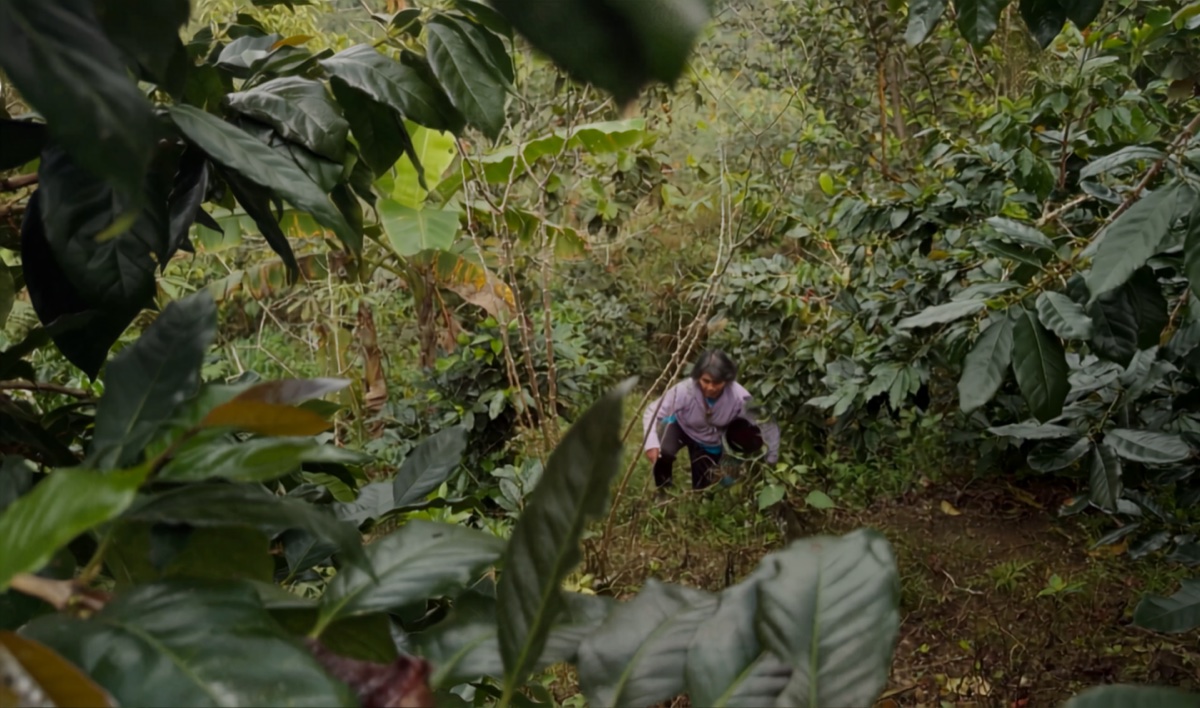
Through hands-on training and knowledge-sharing, we work alongside smallholder farmers to build the skills and knowledge to adopt more sustainable farming practices and strengthen the long-term health and resilience of their farms.

Supports

SDG 1: No Poverty SDG 15: Life on Land
Farmer capacity building and sustainable coffee practices in Sabah
02

Women's Livelihood Workshops

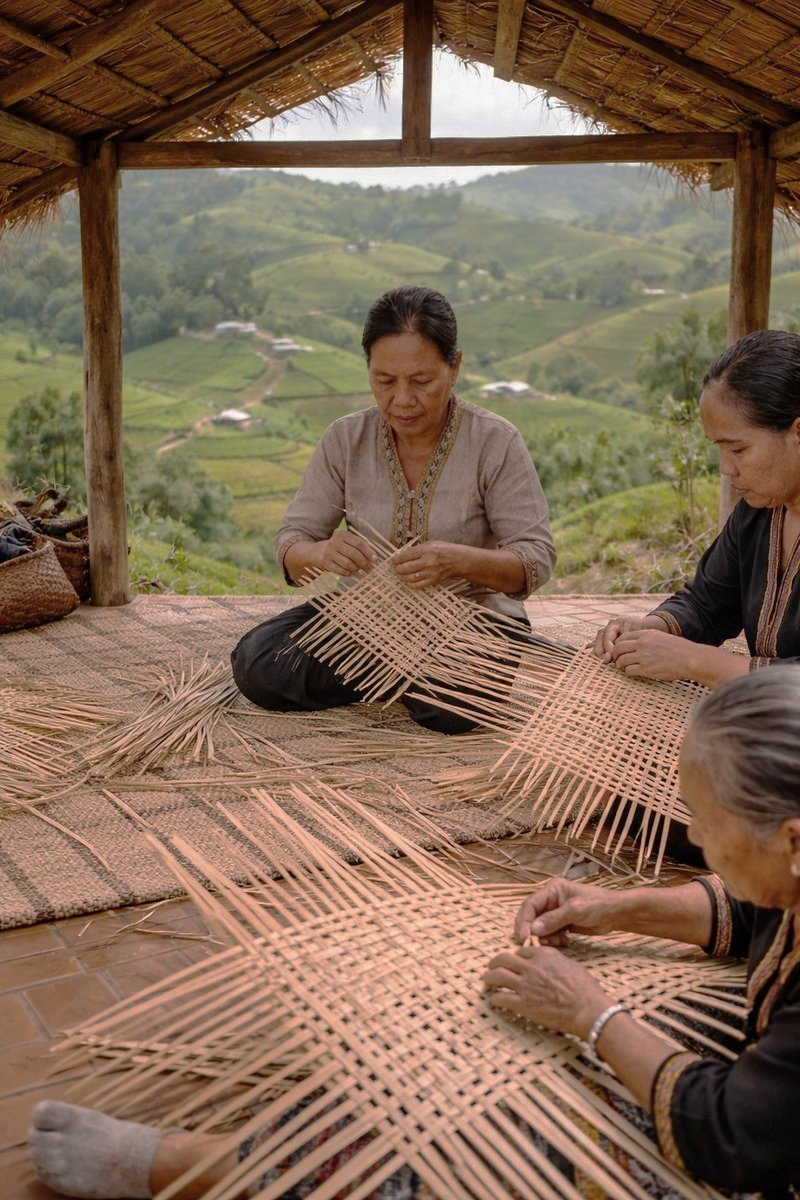
These workshops create space for women to learn, experiment and develop products from what they already have around them. This could include traditional crafts such as bamboo weaving, or other forms of value-adding using locally available materials and produce.

Supports

SDG 5: Gender Equality SDG 8: Decent Work and Economic Growth
Women artisans weaving bamboo in Sabah
03

Direct Trade

Creating better pathways from producer to market.

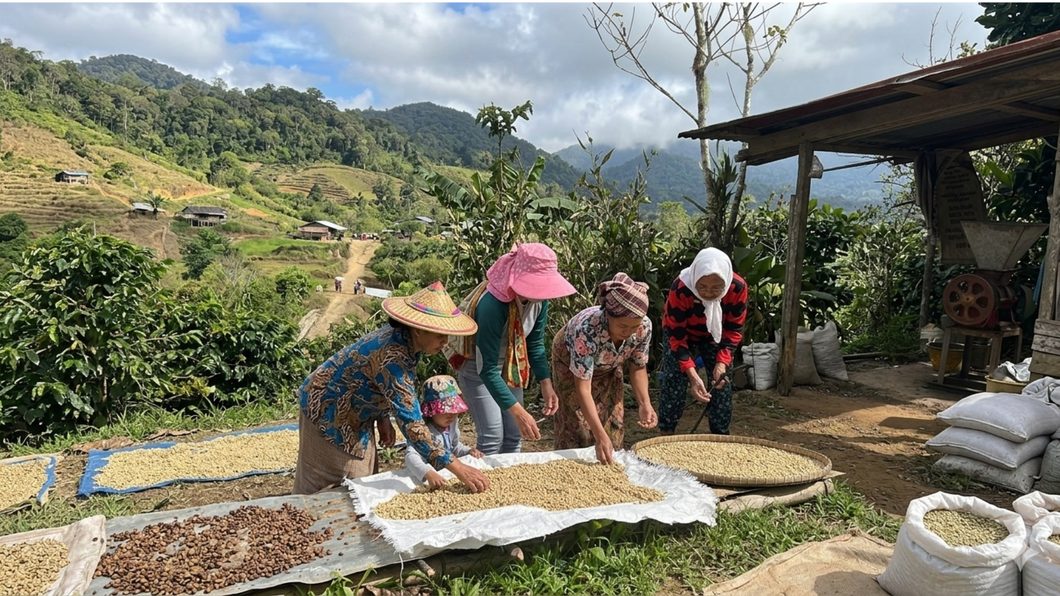
We work directly with farmers and community producers to bring their products to market. By building longer-term relationships rather than relying on one-off purchases, we aim to create more reliable demand, fairer returns and opportunities to reinvest in skills and production.

Supports

SDG 1: No Poverty SDG 10: Reduced Inequalities SDG 12: Responsible Consumption and Production
Direct trade with coffee farmers in Sabah
The People

Meet the Farmers

The coffee behind this work is grown by name, not by anonymous supply chain.

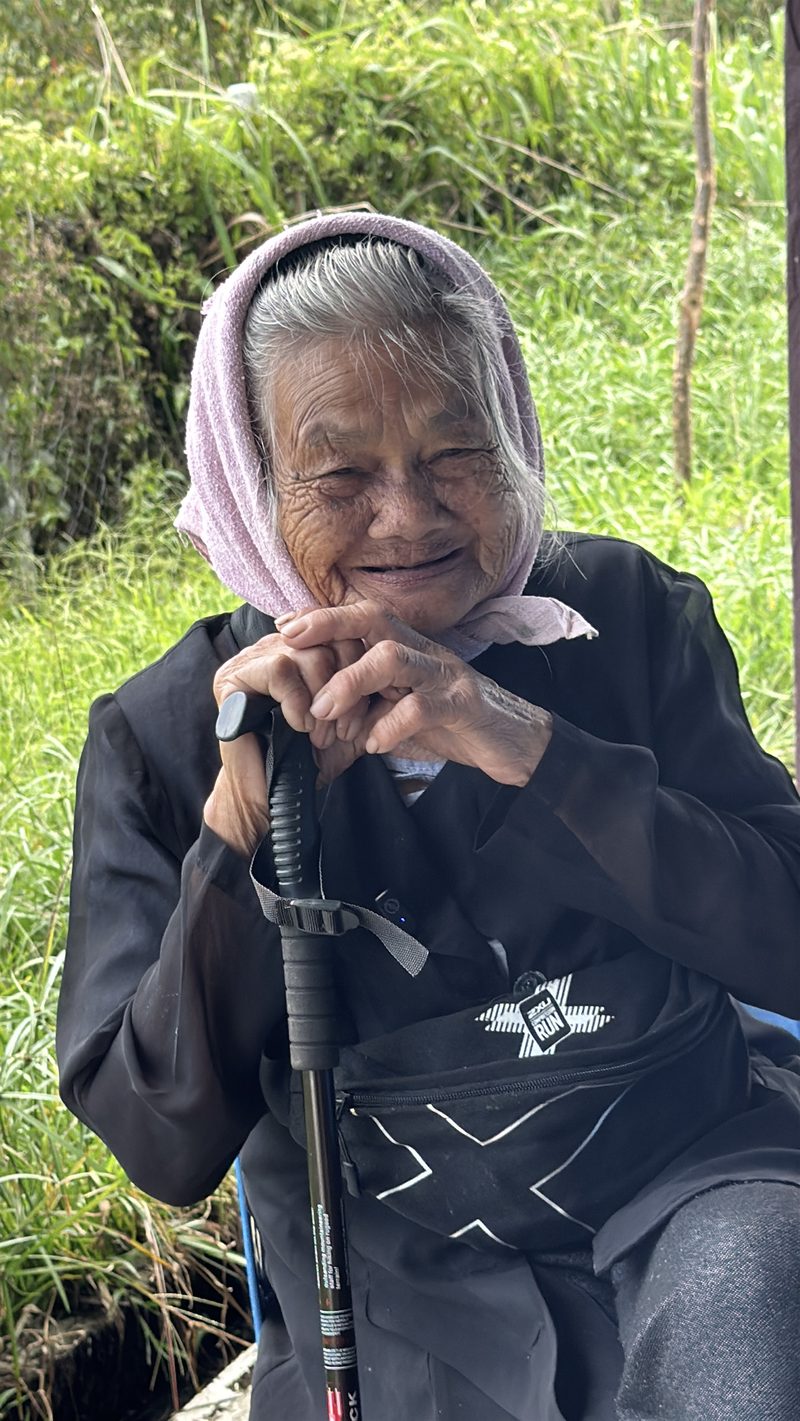
Sapoi, coffee farmer, Sabah

Coffee Farmer

Sapoi

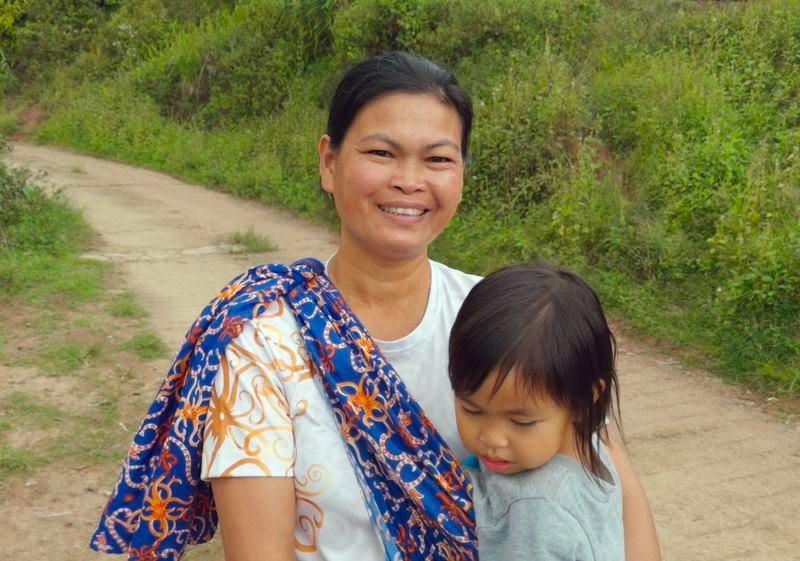
Jamlia, coffee farmer, Sabah

Coffee Farmer

Jamlia

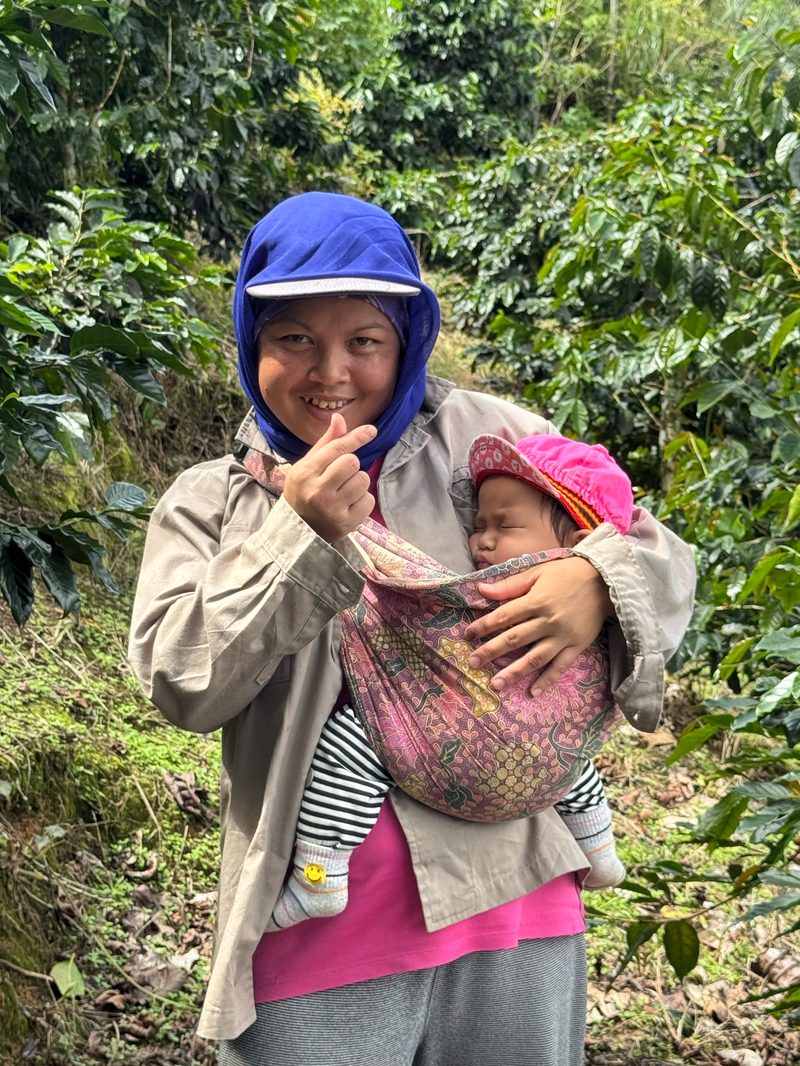
Esther, coffee farmer, Sabah

Coffee Farmer

Esther

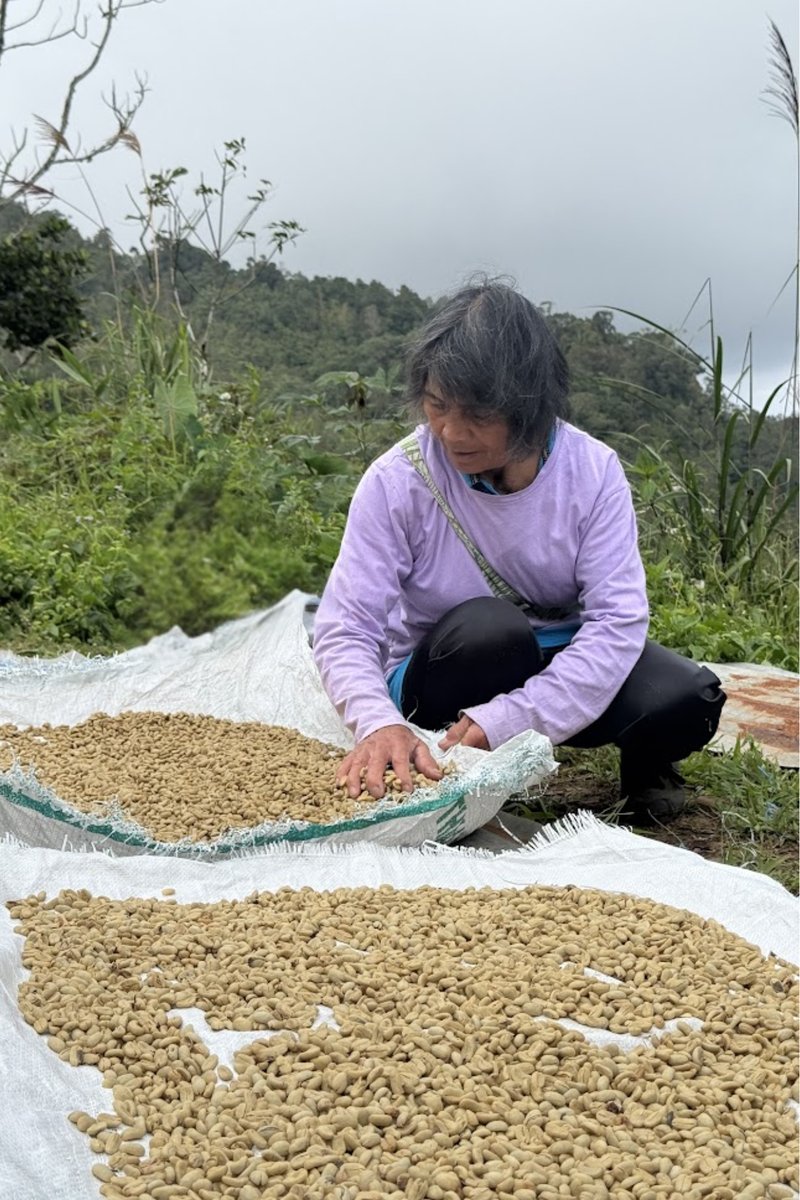
Maria, coffee farmer, Sabah

Coffee Farmer

Maria

Our Vision

Coffee doesn't have to mean clearing the forest.

Our long-term vision is to help farmers in Borneo's highlands move towards a different kind of coffee farm: one where coffee grows under native shade trees and alongside other crops, creating a farm that works more like a forest than a monoculture.

We're starting with the foundations. Through training and knowledge-sharing, we're helping farmers understand and adopt practices that support healthier soils, from organic fertiliser and composting to making better use of farm waste. We're also introducing the principles of coffee agroforestry and what it could look like on their farms.

It will take time. Trees need time to grow, farmers need time to experiment and adapt, and healthier farming systems don't happen overnight. The changes we hope to see will take years, not seasons.

The goal is simple: to grow coffee with the forest, not instead of it.

Brew For Change

Your Purchase Funds Our Work

Buying TRY Coffee directly supports the training, direct trade, and long transition toward coffee forests you just read about.