Who We Work With
Island Communities
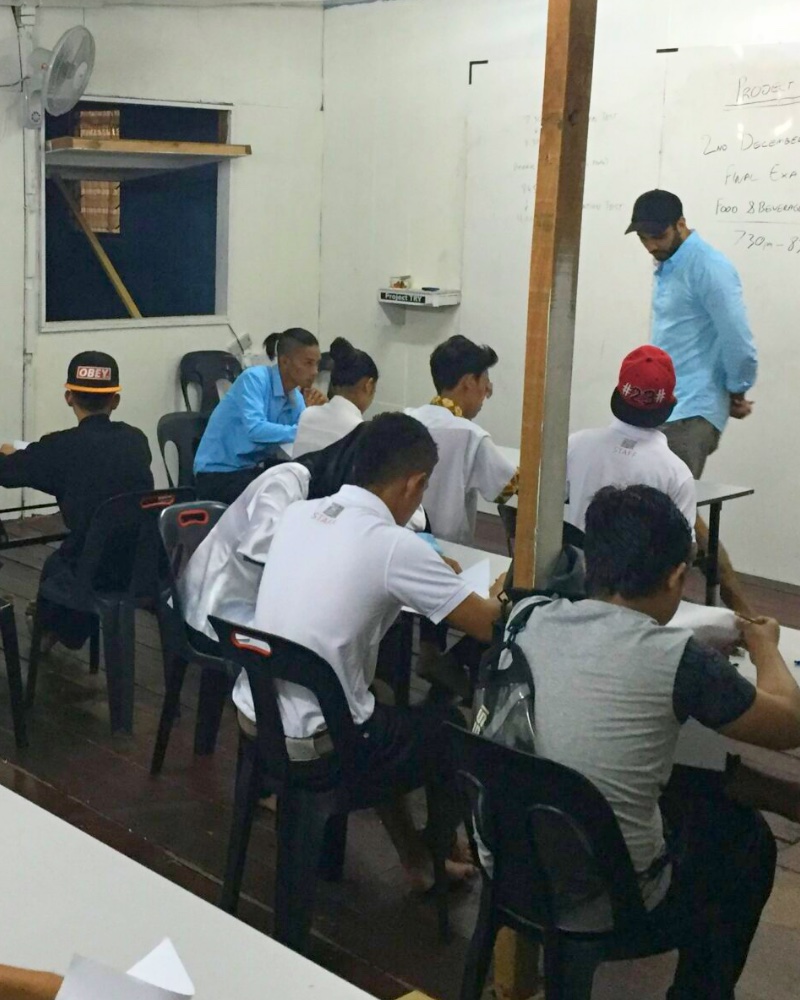
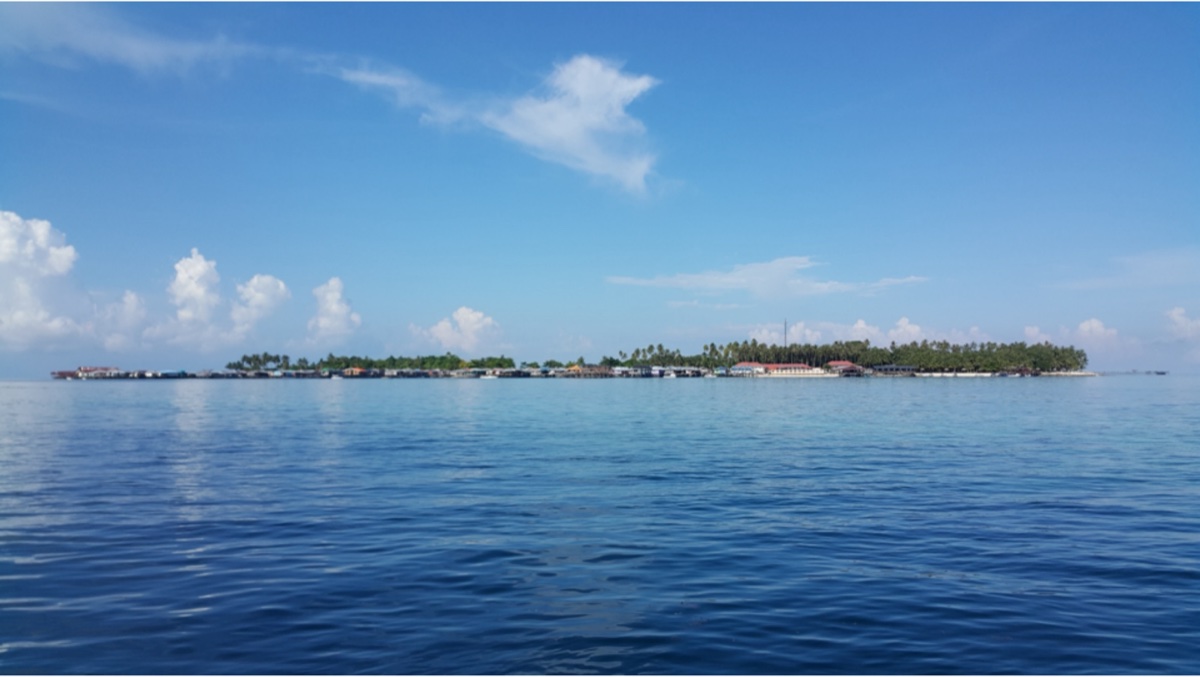
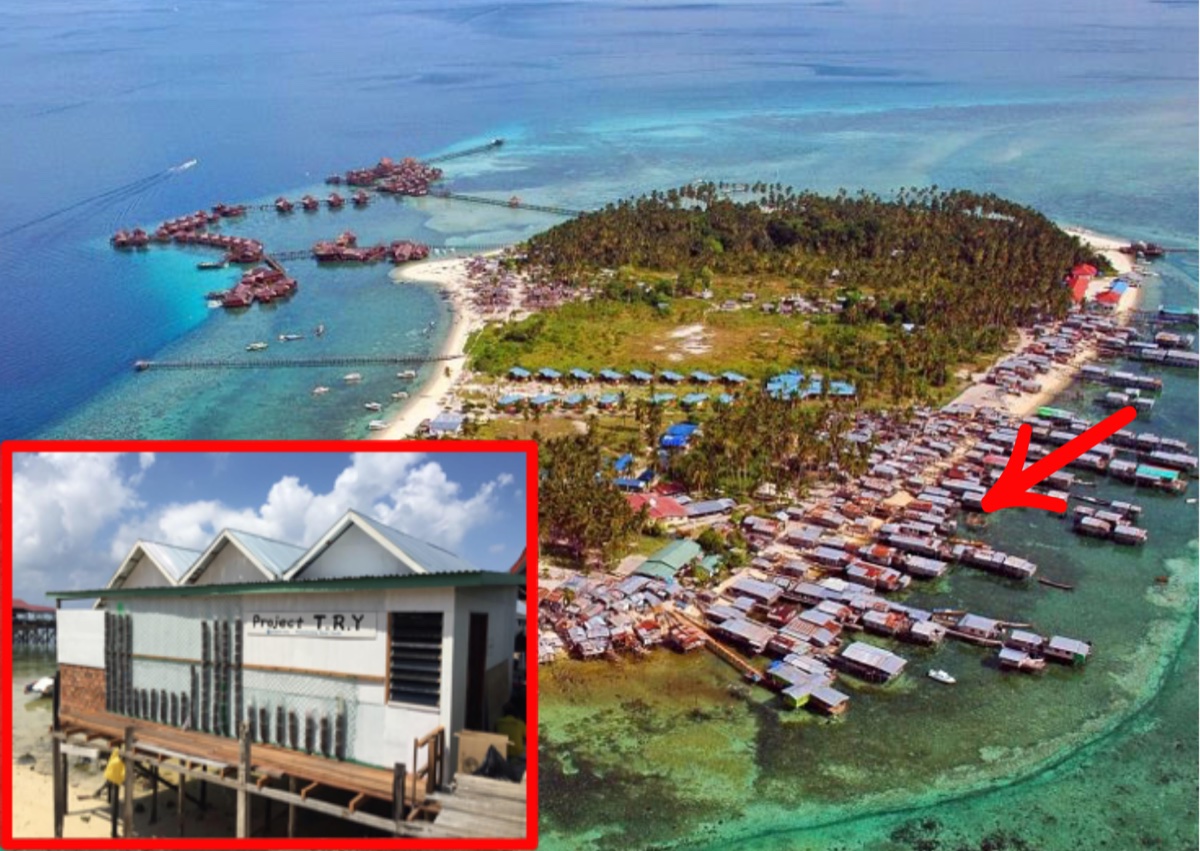
From 2014 to 2020, we ran a school on Pulau Mabul, off the coast of Sabah.
From 2014 to 2020, we ran a school on Pulau Mabul, off the coast of Sabah.
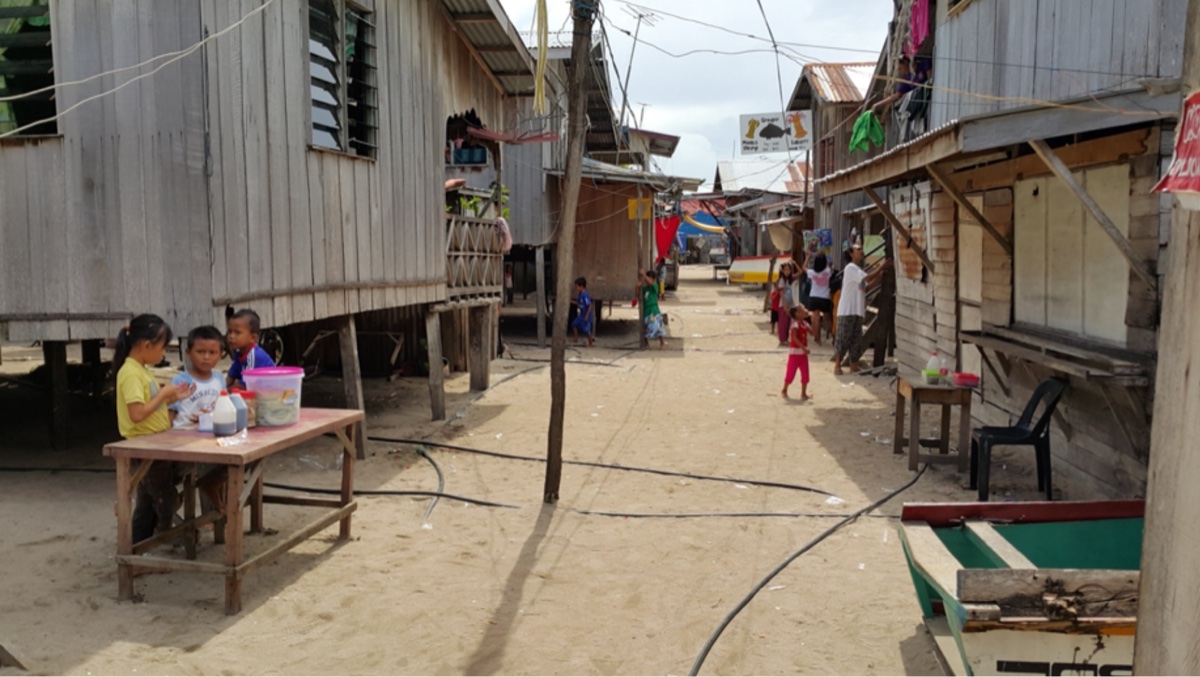
Mabul Island is world-renowned as a premier diving destination, celebrated for its rich marine life. Yet, the indigenous Bajau Laut and Suluk communities who call it home face steep economic challenges.
With a population exceeding 3,000, over half of Mabul's residents are under 15 years old. A typical household supports nine or more family members on an average monthly income of under RM600. Due to its remote location, the island only offers primary schooling. Most children cannot afford to pursue secondary education on the mainland, leaving them without the English proficiency or technical skills needed to enter the local tourism industry.
This economic hardship directly impacted the island's ecosystem. Without basic waste infrastructure, plastic pollution accumulated rapidly, creating a cycle where poverty, limited opportunity, and environmental neglect reinforced one another.
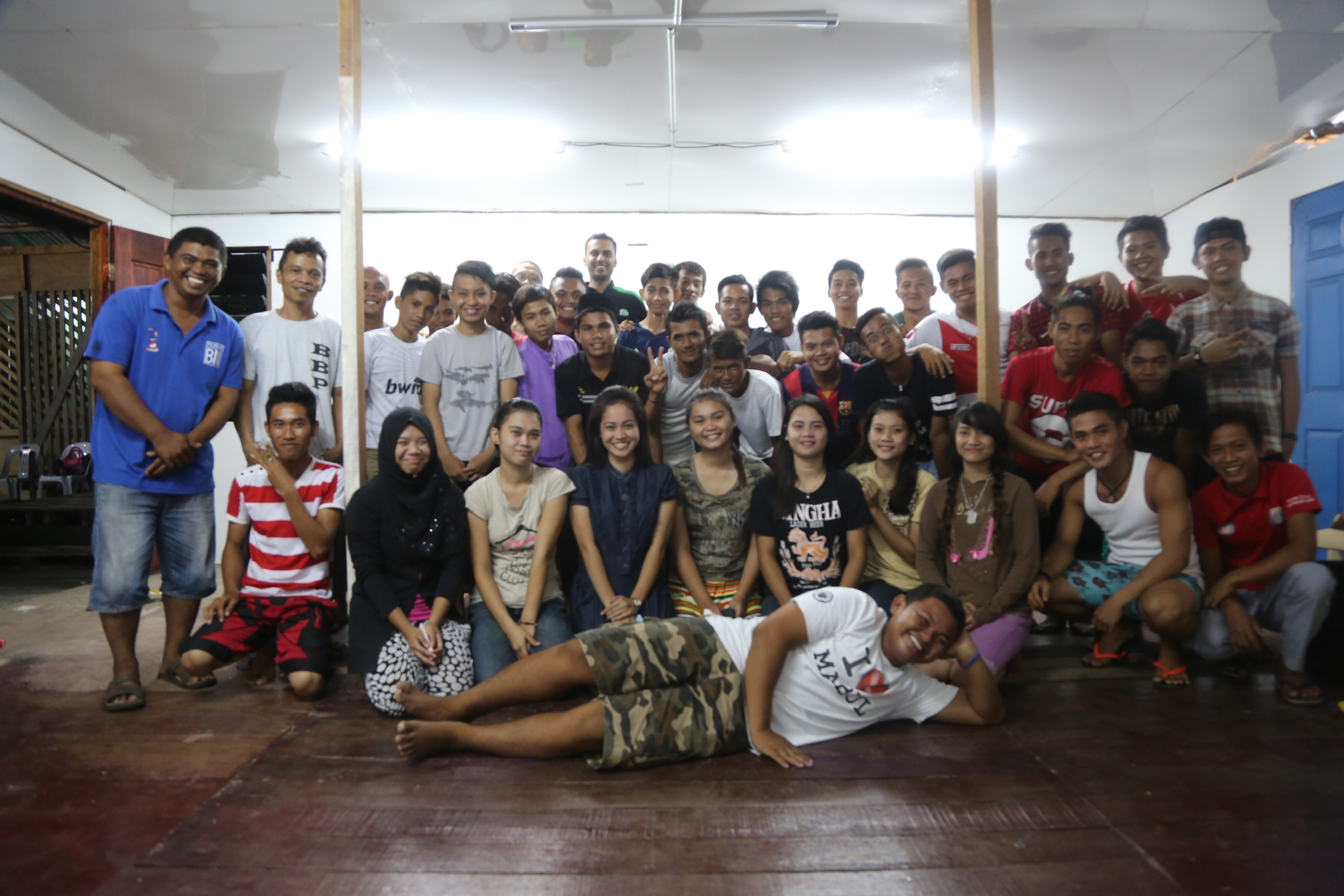
In late 2014, we upcycled a derelict stilt structure on Pulau Mabul into a safe, functional training center capable of hosting 35 students at a time. To ensure deep community root-level buy-in, we established a local committee of village leaders to help guide the project's direction.
Our 3 to 4 month training cycles focused on three core pillars:
Following each cycle, graduates received targeted interview prep and direct placement with hospitality and resort employers across the Semporna region.
Supports
Alongside skills training, environmental responsibility was built into the program from day one.
In lieu of enrollment fees, students registered by bringing 5kg of plastic waste. On an island with no formal waste management, this simple requirement turned local youth into active environmental stewards from day one.
Students organized biweekly clean-up drives, collecting plastic waste across the island to maintain cleaner public spaces.
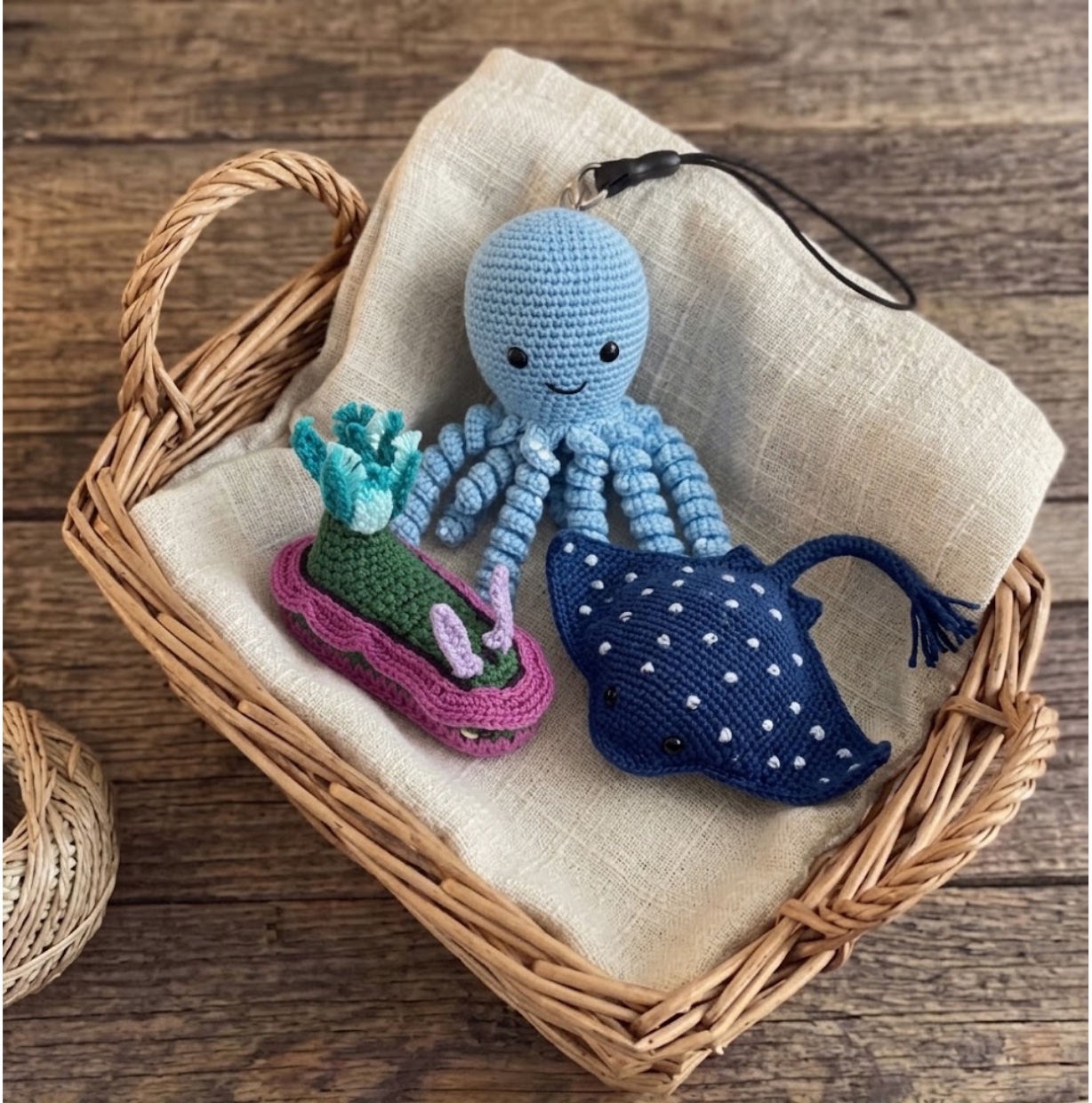
Collected plastics were sorted, cleaned, and used to stuff handcrafted crocheted marine animals. These products were sold to tourists and resort guests, transforming Mabul's waste challenge into a sustainable source of income and environmental awareness.
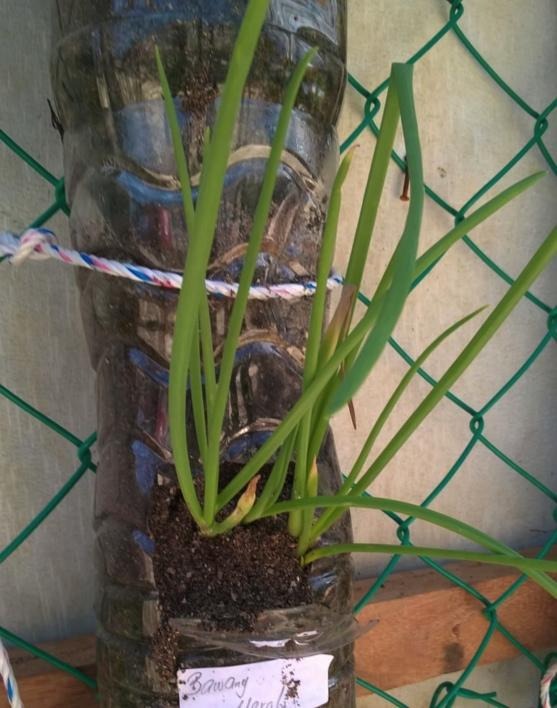
Upcycled plastic bottles were converted into wall-mounted grow cylinders for produce like spring onions, pumpkin, and broccoli. The harvest was sold to villagers and local resorts, with all proceeds directly funding program operations.
Supports
Graduates were placed with resort and hospitality employers on and near Mabul Island — and the outcomes were measurable and lasting.
Average monthly household income among placed graduates rose from RM455 to RM737, a 62% increase for families of an average of 10 members. Across the full program run from 2014 to 2020, Project TRY trained more than 300 marginalised rural youth and achieved a 79% job placement rate.
Mabul Skills Centre · 2014–2020
Supports
The Mabul chapter proved the community model works. We're not done with it yet.
Project TRY is evolving into a self-sustaining social enterprise. Through targeted capacity building for indigenous smallholder farmers and underserved youth, we are creating a commercial base to power our long-term community work without relying on grants.
Building on our initial success in Mabul, our goal is to merge these commercial and community models for lasting impact. Drawing on years of field experience and an active alumni network, we are preparing for our next chapter in Mabul and the broader Semporna region with a stronger, more durable model than ever before.
If you're a funder or partner who shares our vision for the next chapter on Mabul, we'd love to talk.